
How to Care for an Elder with a Fracture at Home: Pain Management and Practical Tips
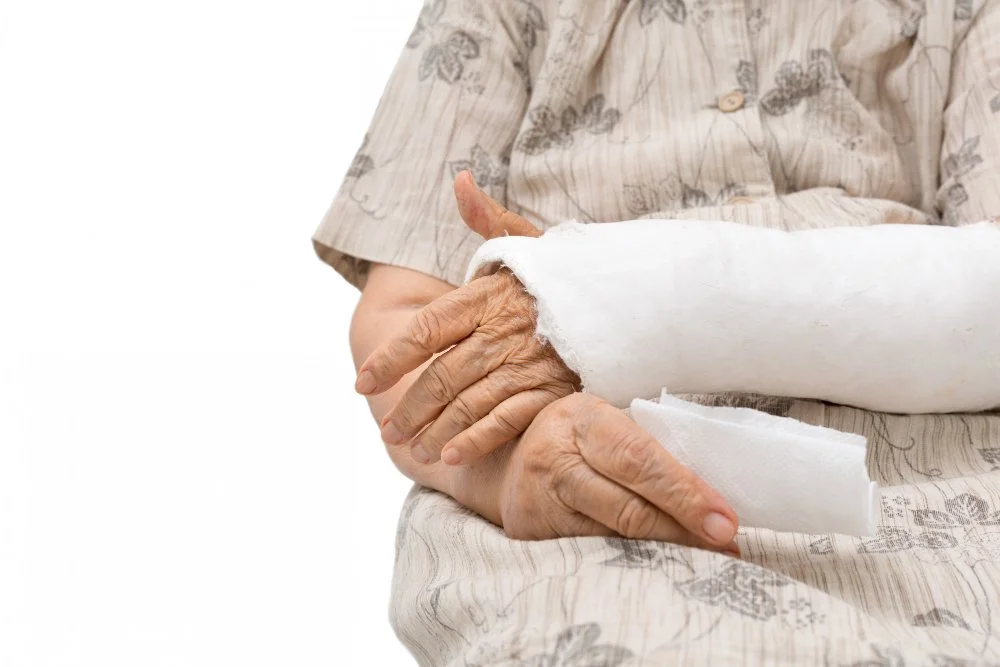
Falls can quickly lead to fractures—and fractures can significantly impact an older adult’s independence, mobility, and quality of life. In many cases, a fracture becomes a turning point, leading to increased care needs or long-term changes in living arrangements.
If your loved one is recovering from a fracture at home, knowing how to manage pain and provide proper support can make a meaningful difference in their recovery and overall well-being.
Understanding the Impact of a Fracture
A fracture doesn’t just affect one part of the body—it often affects daily life as a whole. Many older adults need help with basic activities, and it’s common to see increased anxiety, fear, and frustration during recovery.
Caregivers may also feel stress or uncertainty, especially when routines change suddenly.
What to Expect at Home
After a fracture, most individuals will need support with everyday tasks such as moving, dressing, or bathing. Even when the main injury is being treated, there may be additional discomfort from bruising, stiffness, or other minor injuries.
It’s important to monitor changes closely and communicate with healthcare providers if anything seems off or worsens over time.
Pain Management at Home
Medication: Pain medication is often part of recovery, but it requires attention. Treatment usually starts with lower doses, which may need adjustment. Some medications can cause side effects such as confusion or drowsiness.
If pain is not well controlled, it’s important to contact the healthcare provider rather than increasing doses on your own.
Positioning and Elevation: Simple positioning can make a big difference. Elevating the injured area helps reduce swelling and discomfort. Pillows are an easy and effective way to support proper positioning throughout the day.
Using Ice and Cold Therapy
Cold therapy is one of the most effective ways to reduce pain and swelling. It’s also a safe option that doesn’t affect mental clarity or cause dependency.
Apply ice packs for short periods (around 15–20 minutes at a time), and always place a cloth or barrier between the cold source and the skin to prevent irritation or injury.
Ice Therapy Machines: For more consistent cooling, ice therapy machines circulate cold water through a pad placed on the injured area. These can be especially helpful for larger areas like the back, hip, or leg. Always follow the manufacturer’s instructions when using these devices.
DIY Ice Pack (Simple Solution)
You can easily make a reusable cold pack at home:
Mix 3 parts water with 1 part rubbing alcohol in a sealed freezer bag
Double-bag to prevent leaks
Freeze and reuse as needed
Wrap in a cloth or place over clothing before applying
Use a wrap or towel to keep it gently in place
Final Notes
Recovery from a fracture can be physically and emotionally challenging—for both the individual and the caregiver. Small, consistent actions like proper positioning, safe medication use, and effective pain management can make a significant difference in comfort and recovery.
